Sunday, September 1, 2002

A success story
Lawrence Eagle Tribune
By Andy Murray
Staff Writer

A century ago it was Beverly's commercial jewel: A quarter-mile stretch of factory built for the United Shoe Machinery Corp. Locals referred to the factory where shoemaking equipment was fabricated as "The Shoe."

Then came the equipment maker's decline and breakup, and the creation of Beverly's concrete albatross, 1.2 million square feet of nearly vacant real estate hanging around the city's neck.

"It was like a ghost building," remembers Beverly Mayor Thomas Crean, a city alderman in the early 1980s. "The economy was pretty flat-lined. There had been a lot of people who had been let go (from United)."

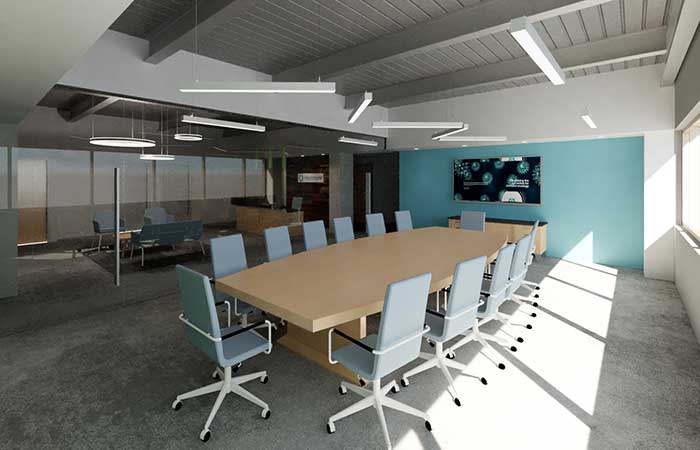
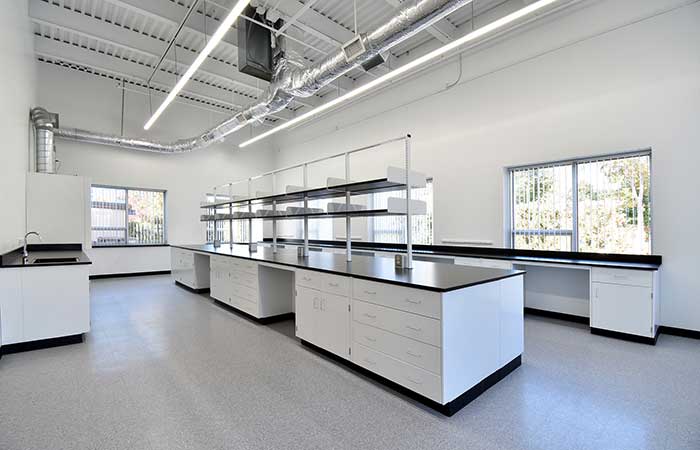
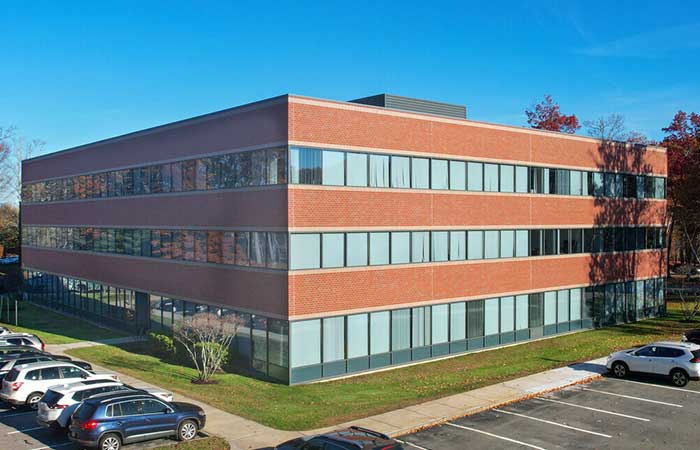
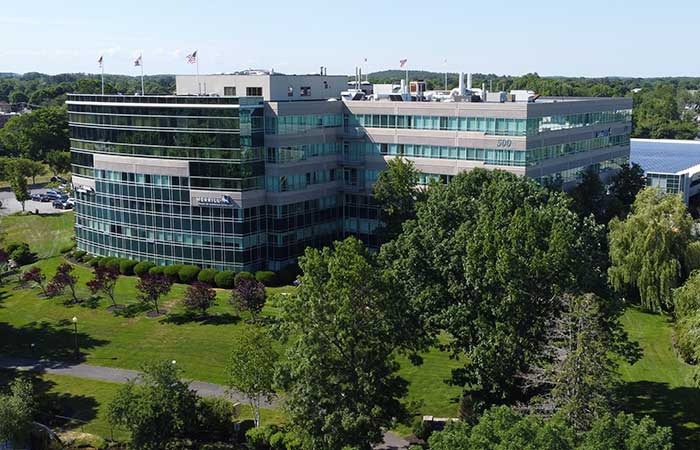
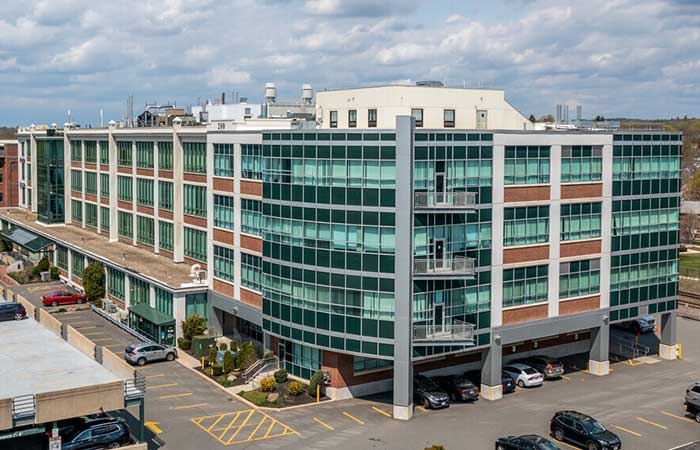
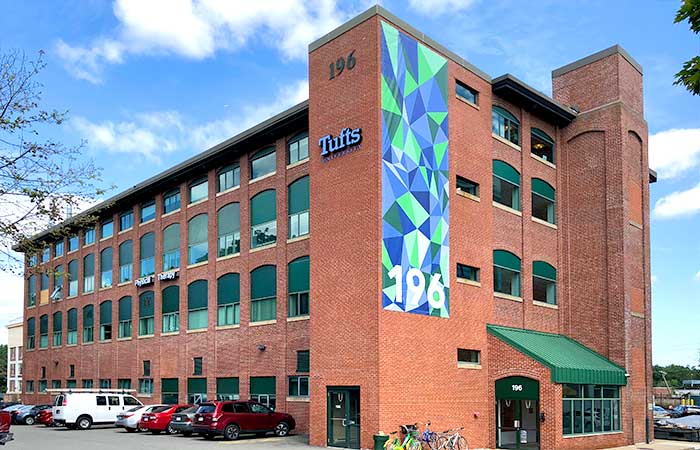
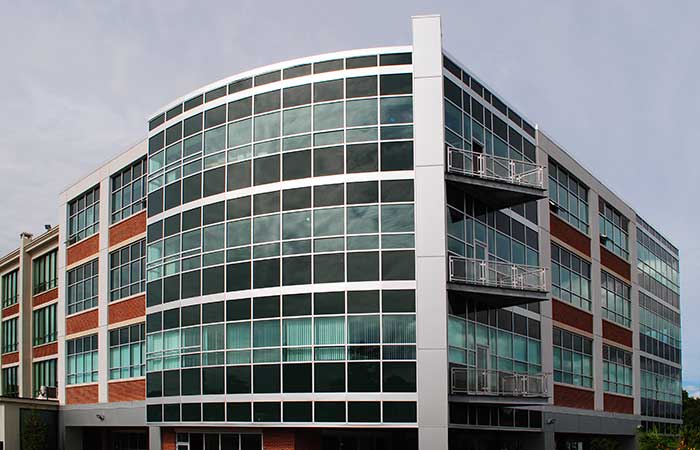
But like a long-distance runner getting a second wind, The Shoe is back as the Cummings Center. A historical artifact once thought too unwieldy to be useful, the Beverly factory's hallways now pulsate with software companies, biotechnology startups and some 400 other tenants.

To nearby communities with their own distressed buildings to deal with, however, the center's true value might be in the hope it brings.

To Lawrence -- with its 19th century mill buildings boasting an estimated 10.5 million square feet of space -- The Shoe suggests a blueprint developers and local officials may huddle around.

To North Andover, home to Lucent Technologies' Merrimack Valley Works -- 2 million square feet of high-tech manufacturing space up for sale -- it might serve as an even more timely lesson.

'A city on its side'

A longtime tenant, Meg Hamilton of Hamilton Thorne Biosciences, can remember when The Shoe resembled something out of a horror movie. Twenty miles north of Boston and two miles south of Route 128 in Beverly, the United Shoe Factory had been the largest factory of its day, the first building constructed of reinforced concrete, which allowed for the use of more windows in factories. Hundreds of Beverly families depended on jobs at The Shoe.

Over the years of United's decline, however, the building had gone to seed. Several companies shared the vast space. By the 1980s, when Black & Decker Corp. acquired the building, tenants had developed an esprit de corps, not because of the building features, but because the building's 90 percent vacancy rate encouraged huddling.

"A lot of it was long black corridors, with chains hanging from the ceiling, and you could roller blade or bike from one end to the other," said Hamilton, who moved her fledgling startup into The Shoe in 1991.

Like Hamilton, however, others glimpsed opportunity in Beverly's white elephant. Cummings Properties had looked at it years before and seen a large building with enough adjoining land to supply inexpensive space for parking and a university-style campus for companies.

What Cummings, a development company with a number of North Shore commercial properties already, could not justify was the building's going price: $37 million.

By 1995, however, that price had plummeted. Tired of losing money on a property that cost thousands just to heat, Black and Decker gave in to Cummings. This time the selling price was $500,000, what the factory had cost in 1903 and less than a dollar a square foot.

"It was a bargain," said Gerry McSweeney, general manager of the Cummings Center.

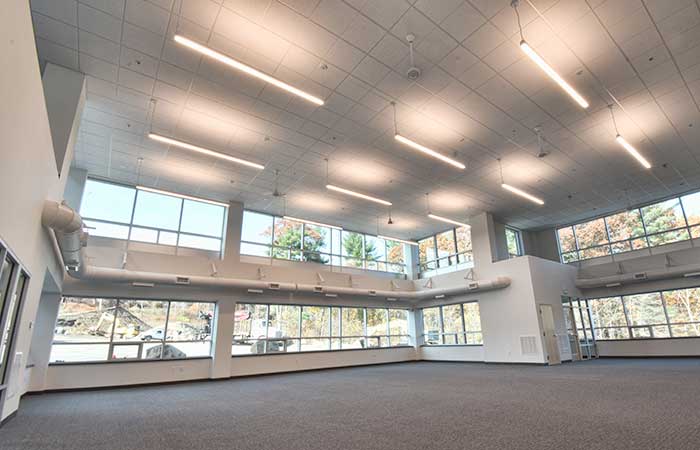
But the payout was only starting. Cummings also had to commit $1 million to clean up pollution on the property's 80-acre site and set about rehabilitating the building for technology research and office space. Over the next six years, the company would spend an estimated $60 million rebuilding and expanding The Shoe. There were 27 acres of new roof, 2,200 new windows and mile upon mile of new plumbing, lighting, electrical wiring and carpeting.

The transformation has been staggering. Since 1996 Cummings Properties has attracted more than 400 new companies to the New Shoe. Its tenants pay anywhere between $15 and $21 per square foot, depending on the type of space rented and what year they came. The rent is no longer cheap, but it's eminently affordable compared to $40 to $60 a square foot they'd pay in Boston and Cambridge, Hamilton said.

"It's good, it's attractive, it's practical, it's functional, but it's not glamor space," she said.

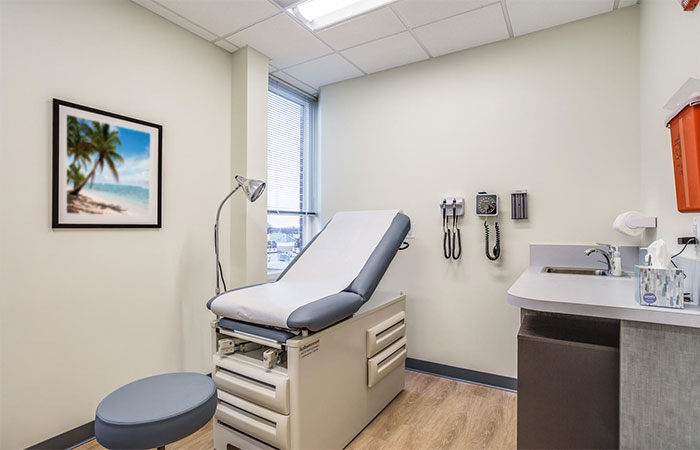
A major attraction for tenants is the sheer variety. Among the building's occupants are two banks, four restaurants, three dentists, several doctors, a mortgage company, a small convenience store, a massage therapist, a dry cleaner, a church and several chiropractors.

Tenants can find just about everything they need for their business in the Cummings Center. "It's like a city on its side here, a small city," said Hamilton. "We must do business with 18 companies here in the complex, everything from designers to printers to marketing people to lawyers and on and on."

The revitalization also helped spur a recovery that development experts now routinely use as an example for Brownfield recovery projects or downtown revitalization efforts. A new supermarket plaza with adjacent businesses sprang up across the street from The Shoe on Route 62, the city's connector with Interstate 128.

Storeowners in town have also been encouraged to refurbish their storefronts or expand, betting that new traffic generated from the site will increase business.

"There is no question it has had an economic impact," said James Muse, vice president and director of retail financial services at Beverly National Bank.

Although Cummings Properties was granted a financing deal that phased in its taxes over 10 years, Cummings officials estimate the revitalized center now houses 400 companies with close to 4000 employees. A 2000 survey conducted by Cummings Properties found salaries at the center generated an estimated $180 million in income that year alone. Allowing for inflation and growth, Cummings estimates $2 billion will have been paid at the Center in salaries alone by the restoration's tenth anniversary in 2006.

Spurred on by development at the center, the city of Beverly has seen other benefits. The city is finishing the last of six elementary school building or renovation projects. Bond rating agencies have boosted the city's rating five levels since 1996, citing anticipated revenue from its restored commercial property. From Cummings Properties itself, the city has been given 8 acres in two separate centers the city has used to build a new elementary school and start a new public safety center.

Mayor Crean, who was elected to his first term last year, says the city is now putting its focus on Beverly's main downtown streets, thoroughfares that could mean even more revitalization. But to some residents, the seed for Beverly's recovery started with the Cummings Center.

"I think a lot of the so-called economic miracle in Beverly is due to this Center growing up and prospering," said Hamilton, a 15-year Beverly resident.
Blueprint development

Duplicating that miracle somewhere else involves figuring out what Beverly did so right.

Even by a large developer's standards, the Cummings Center took shape quickly, McSweeney admits. Part of that came from intervention in the shape of public subsidies that made it easier for Cummings Properties to accomplish its project.

The tax financing deal worked out with the city capped the Cummings Center assessment at $180,000 with only incremental adjustments for the first five years. Next year the Cummings Center will pay taxes on half the property's current assessed value of $120 million with gradual increases leading to a full market value assessment in 2006. The state also chipped in, limiting Cummings Property's potential liability in rehabilitating a contaminated site, known as a Brownfield.

"The transformation that has taken place through a huge private sector investment and creative use of public sector funds has allowed the Cummings Center to become a jewel on the North Shore, showing us what could happen elsewhere," said David Tibbetts, former Massachusetts Economic Development director.

But as important as the public financing and Brownfields protection was, McSweeney doesn't believe local officials can be responsible for the direction an abandoned property takes. Local officials can remove impediments, but if they make it too easy for developers to rehabilitate properties, they also make it easier for developers to walk away when times get tough.

The developer has to have a commitment to the project.

"If you can get a private developer to take a project on, it's not an ironclad guarantee of success, but the probability increases tenfold," McSweeney said.

Beverly's Cummings Center also became famous for the amount of give and take between developers and the community. The city benefited not only from job creation, but also from the direct gifts of land for its new elementary school and public safety complex. The city deferred tax income it could have generated if the parcel was redeveloped sooner, perhaps for a less desirable use.

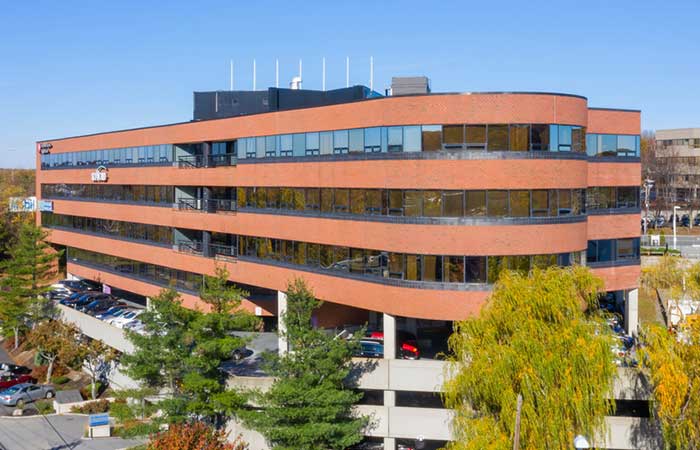
Cummings Properties gained a reputation for listening to residents' concerns and doing their best to address them. When local residents complained about the new six-story office building the company wanted, Cummings rented a six-story crane for a couple of weeks, tied a flag to its tip, and showed that trees would obscure the building's roof.

"More than any one thing it was the fact that they were willing to listen and make adjustments where they could," said James Muse, vice president and director of retail financial services for Beverly National Bank. Shortly after the Cummings Center opened, Beverly National Bank became a tenant.

Getting serious about parking

Duplicating Beverly's success has already proven difficult elsewhere. Despite its 10.5 million square feet of mill space, Lawrence has yet to develop a research and office park on par with the Cummings Center, said Tibbetts, who now serves as general counsel to the Merrimack Economic Development Council in Lawrence.
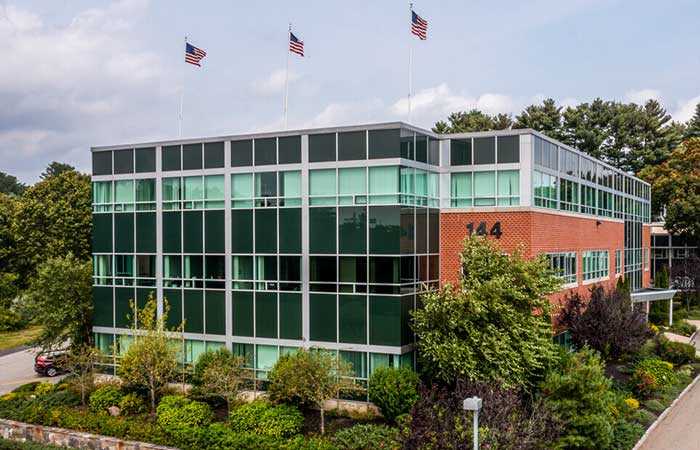
One problem is parking. The Cummings Center has 71 total acres and two separate parking structures. Lawrence has been waiting for 860 parking spaces to be built at the old General Tire and Rubber site off Canal Street near Interstate 495 for several years. The so-called GenCorp site would provide parking for downtown mill buildings along Union and Canal streets but is not expected to be finished until 2004. The mill buildings currently have very little parking.

"If you're serious about building (office space), you have to be serious about building parking, even if it means knocking down some buildings to make space," McSweeney said.

Getting local mill owners to cooperate has been difficult, however, admits Tibbetts. Lawrence's mill buildings do not have a common history, and interlacing highways and contamination spills mean development meetings the council holds regularly involve everyone from mill owners to the Army Corps of Engineers.

"Just getting all those people to sit at a table once a month can be difficult," Tibbetts acknowledged.

Tibbetts also wants the city to do more to lure new businesses and developers to Lawrence by capturing investment tax credits that developers can pass on to new tenants. Currently a statewide investment tax credit exists for manufacturing companies that create new jobs, but other business such as software developers can't qualify. Tibbetts wants the city to do more to arrange financing deals with developers and investment tax credits that can be used to better market Lawrence's mill buildings.

"That's an added marketing tool and if you go on the Cummings Center Web site, you see they use it as a lure to attract new tenants," Tibbetts said.

Nevertheless with the right private sector leadership and long-term approach, Tibbetts doesn't know why Lawrence and other communities can't duplicate what Beverly has. Communities like Lawrence and North Andover already have the buildings; they just have to rise to the challenge.

"If you had no vision and no enthusiasm for older buildings, you would have looked at the old Shoe building and said, 'Just nuke the thing.' It wasn't nearly as attractive as the brick buildings Lawrence has."